A quote is only as accurate as the information behind it. Carriers rate manufactured homes on the home's construction, age, size, location, and use, so a few minutes gathering details up front avoids a revised price later. Here is what we ask for, why it matters, and where to find it.
1. Year built, make, and model
These set the baseline for replacement value and eligibility. Homes built to the federal HUD Code (June 15, 1976 and later) are manufactured homes; earlier homes are usually called mobile homes. Some carriers limit the ages they accept or the settlement options available for older homes.
Where to find it: the data plate (a paper label, often inside a kitchen cabinet, a closet, or near the electrical panel), the title or registration, or the purchase documents.
2. Size and sections
Width and length, and whether the home is a single-wide, double-wide, or triple-wide. Size drives the replacement cost estimate.
3. Serial number or decal number
California titles manufactured homes through the Department of Housing and Community Development, and each home carries a decal (license) number and a manufacturer's serial number. The HUD label number is on a metal plate on the exterior. Carriers use these to identify the home; the quote can start without them, but the policy needs them.
4. Address or park and community name
Location affects rating: distance to the responding fire department, wind and wildfire exposure, and whether the home is in a community or on private land. If the home is in a park, give the park name and space number.
5. Construction features
- Skirting type: block, brick, wood, metal, or vinyl.
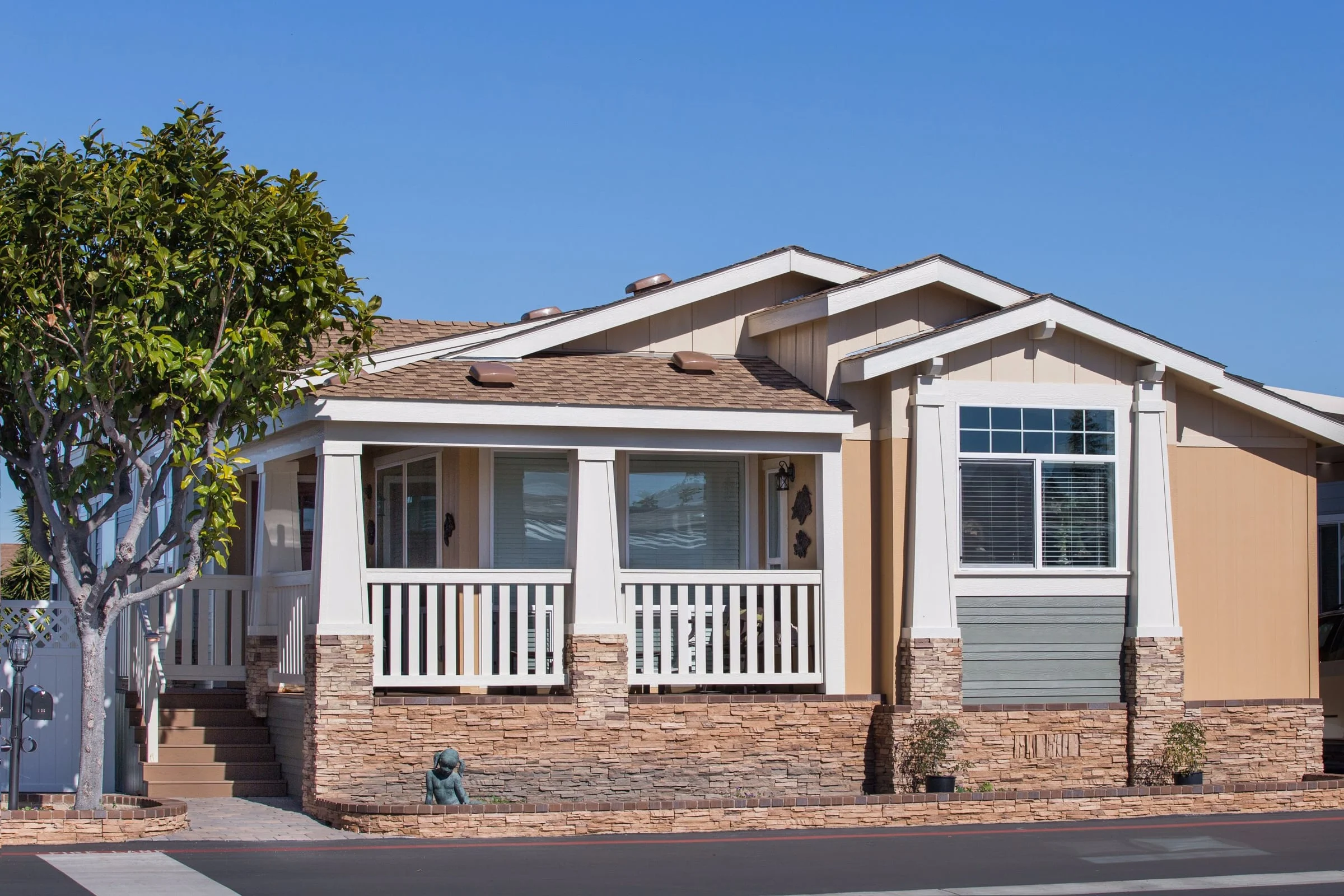
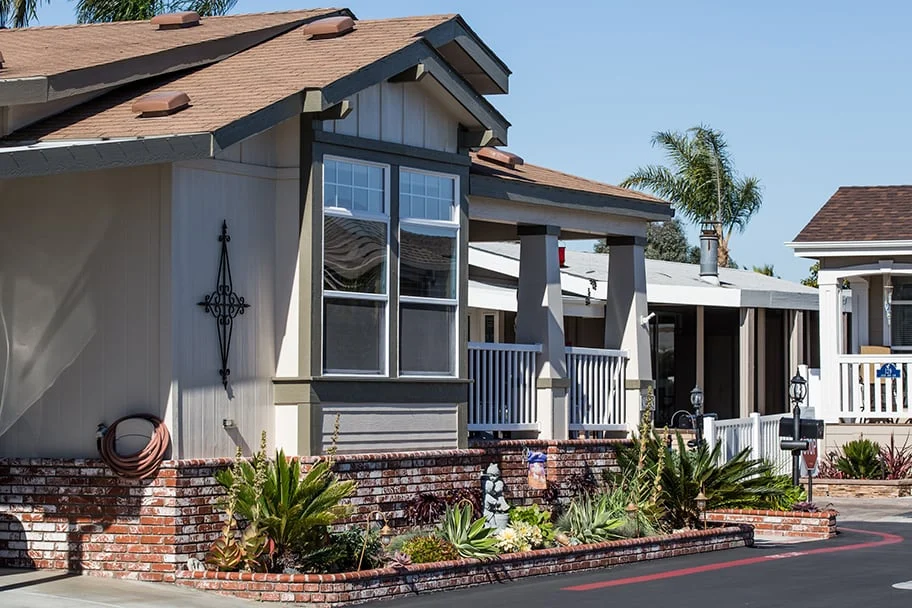
- Attached structures: carport, porch, deck, awnings, steps.
- Roof type and age, and whether a second roof has been added.
- Heating: fireplace, wood stove, central heat.
- Tie-downs or an engineered anchoring system.
Several of these affect eligibility or discounts. A wood stove, for example, is a common underwriting question.
6. How the home is used
Owner occupied year-round, rented to a tenant, or used seasonally. Occupancy changes the policy form and the price. If dogs live at the home, carriers ask about the breed because of liability.
7. Prior insurance and claims
Your current carrier and policy expiration date if you have coverage, and any claims in the last three to five years with the date and type. Honest answers here keep the quote honest.
8. Lender or lienholder
If there is a loan on the home, the lender's name and address go on the policy as a lienholder, and the lender may require specific limits or coverages. Have the loan paperwork handy.
Choices to think about before the call
- Deductible: a higher deductible lowers the premium, so pick an amount you could pay in a loss.
- Liability limit: parks and lenders sometimes set minimums; higher limits cost relatively little.
- Settlement basis: replacement cost, actual cash value, or agreed value change how a claim is paid.
- Optional coverages: earthquake, flood, scheduled valuables, identity theft assistance.
What the short form does not ask
Our first-contact form asks only where the home is, what kind of home it is, your timing, and how to reach you. It never asks for a Social Security number or date of birth. Those details, when a carrier requires them, are collected through the established application process with an agent.
Ready? Request a quote or call us at 714-731-8080.